Good Health and Well-being
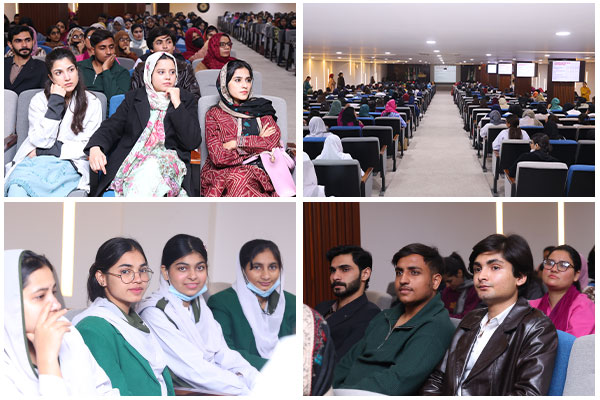
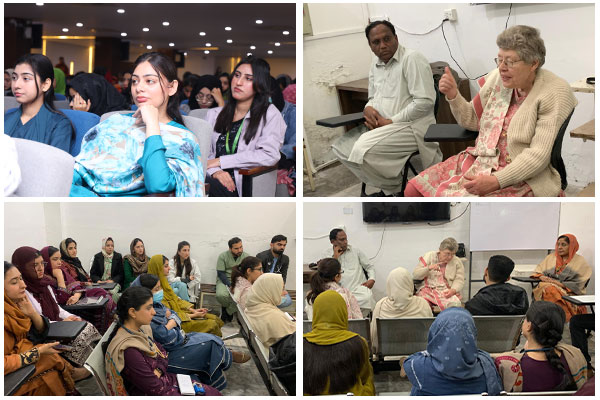
In a significant step toward eliminating one of the world’s oldest diseases, a specialized training and awareness session titled “Towards Zero Leprosy in Pakistan” was organized by the Department of Dermal Sciences and TUF Society for Skin Care on the occasion of World Leprosy Day 2026. Renowned leprosy care expert Dr Chris Schmotzer, Director of Rawalpindi Leprosy Hospital, graced the event as the guest speaker and shared valuable insights on leprosy prevention and management.
The session highlighted that while leprosy is curable, early detection remains the biggest challenge. Dr Chris emphasized the "Cardinal Signs" of leprosy—such as pale or reddish skin patches with a loss of sensation—and urged medical staff to prioritize contact screening at the community level.
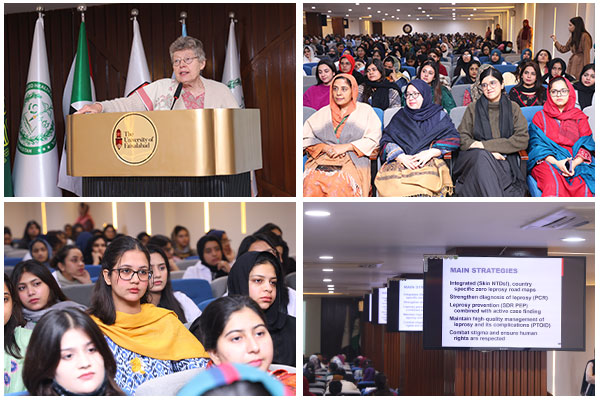
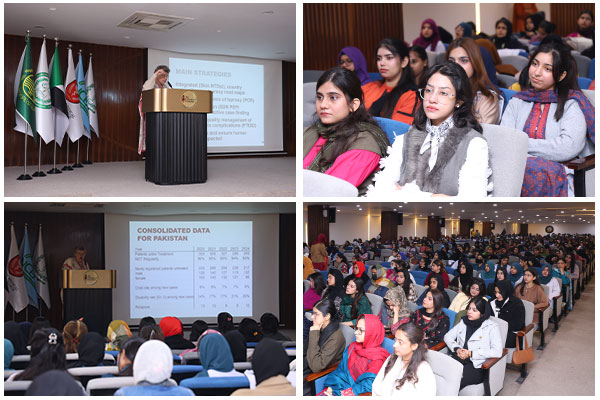
Key Highlights from the Session:
• The Global Target: Aligning with WHO goals to achieve zero transmission, zero disability, and zero stigma.
• Clinical Training: Detailed demonstrations on nerve function assessments, eye examinations, and the proper technique for taking slit skin smears.
• Comprehensive Care: Beyond medication, the session focused on Self-Care Training, including foot care (scraping and oiling) to prevent permanent disabilities and injuries.
• New Strategies: The distribution of SDR-PEP (Single Dose Rifampicin for Post-Exposure Prophylaxis) was discussed as a vital tool in preventing the disease among those in close contact with patients.
The organizers concluded that establishing reliable referral pathways and continuous training for frontline health workers are the most effective ways to ensure Pakistan remains on the path to becoming leprosy-free.
"Early diagnosis is the bridge between permanent disability and a normal life."