Nutrition Society
Zero Hunger
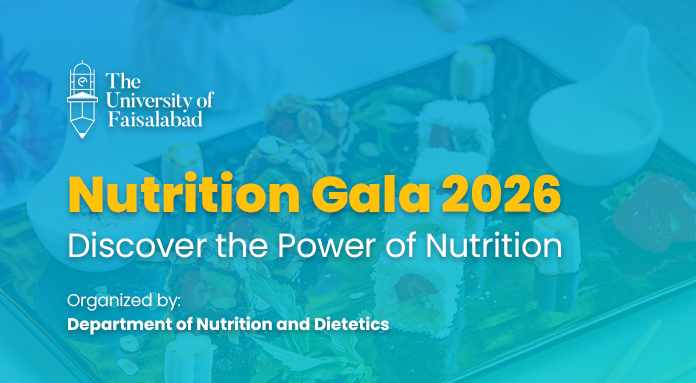
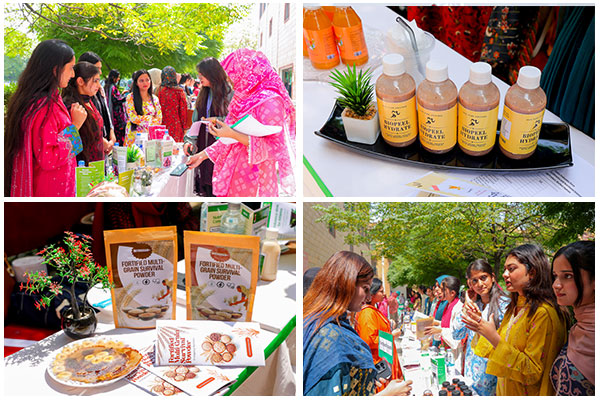
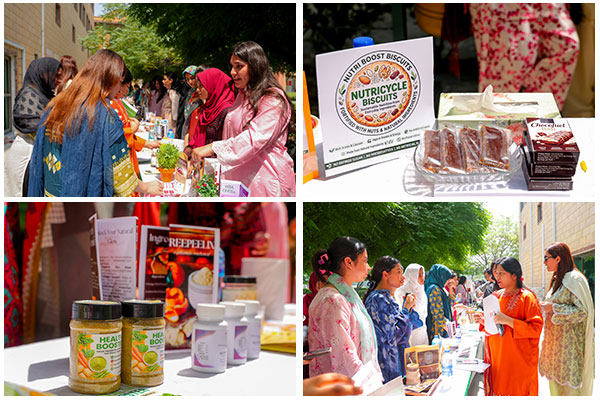
As part of Nutrition Month, the Department of Nutrition & Dietetics conducted the Nutrition Gala 2026, highlighting innovation and awareness in the field of nutrition. The event highlighted the theme “Discover the Power of Nutrition” and focused on sustainability in food systems by turning food waste into valuable products.
Turning Waste into Value
Students creatively utilized organic by-products such as onion peels, potato peels, coconut husk, fruit pomaces, cucumber peels, carrot peels, beetroot peels, and other vegetable residues. These discarded materials were transformed into nutritious, innovative products, showcasing how waste can be reimagined as a resource for human health.
Innovative Categories
The gala featured three distinct categories of product development:
Food Supplements Students extracted bioactive compounds from fruit pomaces and vegetable seeds. These were formulated into powders, capsules, and functional blends designed to enhance dietary intake and wellness. Fortified Foods Everyday staples such as bread, pasta, and snacks were enriched with micronutrients recovered from peels and husks. This approach improved nutritional quality while reducing reliance on synthetic fortification. Modified Meal Plates Balanced meal models were created using waste-derived ingredients. These plates aimed to minimize plate waste and encourage mindful consumption practices among consumers.
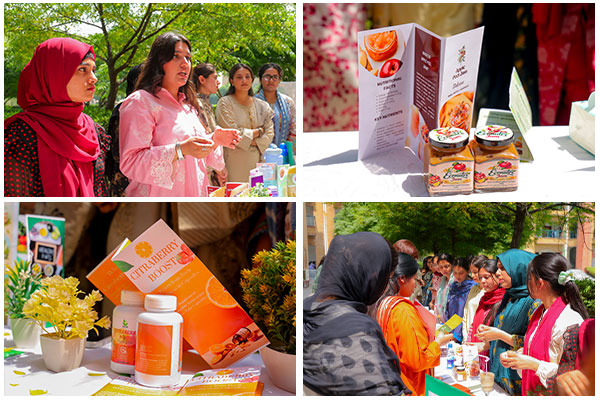
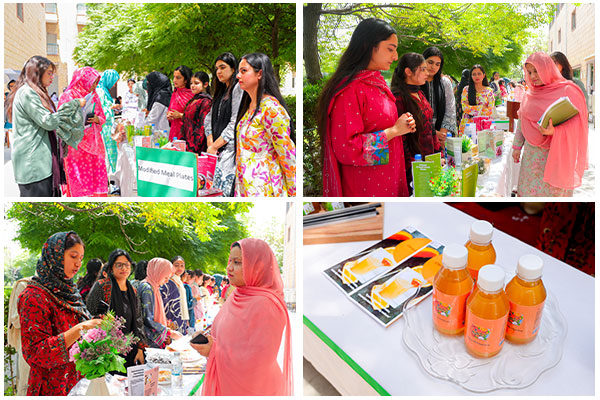
Student Innovation & Impact The gala provided a platform for students to present their products and showcase their research. Their innovations reflected both academic rigor and practical application, bridging classroom learning with global sustainability challenges.
The event was marked by a vibrant display of sustainable product development. Faculty and students engaged in meaningful dialogue on food security, responsible consumption, and the role of nutrition in achieving the SDGs. The showcase emphasized cultural relevance, scientific innovation, and community impact.
Alignment with Sustainable Development Goals (SDGs)
The gala was designed to contribute to the United Nations Sustainable Development Goals (SDGs). It supported SDG 2 (Zero Hunger) by developing nutrient-rich products, SDG 3 (Good Health and Well-being) by promoting functional foods for better diets, and SDG 12 (Responsible Consumption and Production) by reusing organic waste to reduce environmental impact.