Publications
Good Health and Well-being
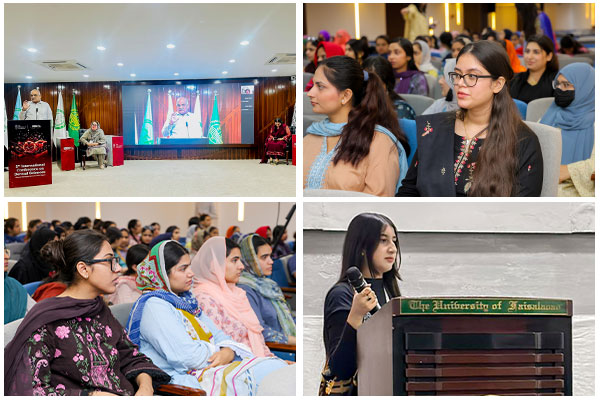
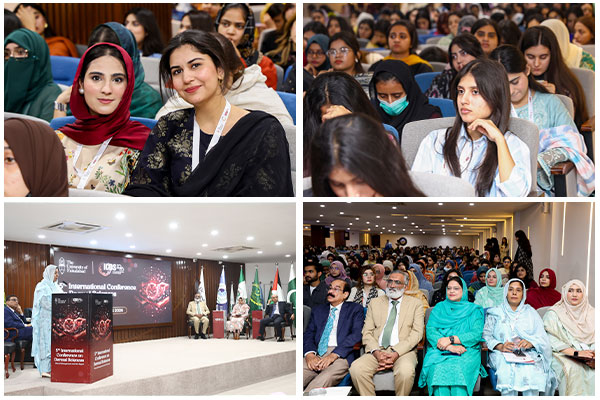
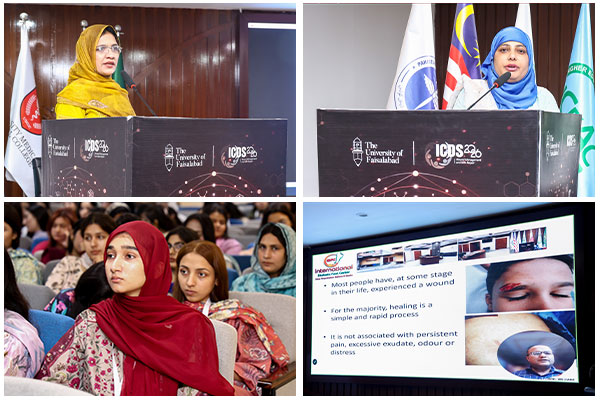
The 5th International Conference on Dermal Sciences (ICDS 2026) commenced with a powerful call to innovation under the visionary theme “Skin Care and Wound Management.” Organized by the Department of Dermal Sciences in collaboration with the Skin Care Society, this landmark event has convened a global gathering of over 50 distinguished clinicians, researchers, and academicians. Representing a powerhouse of expertise from the United States, Indonesia, Malaysia, Turkey, Palestine, and China, these thought leaders are set to redefine the frontiers of regenerative medicine and dermal sciences, sharing transformative insights that promise to reshape the future of global wound care.
Inaugural Session: Setting the Scientific Agenda
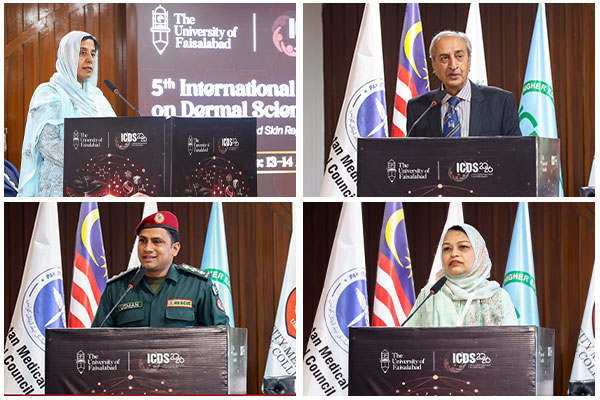
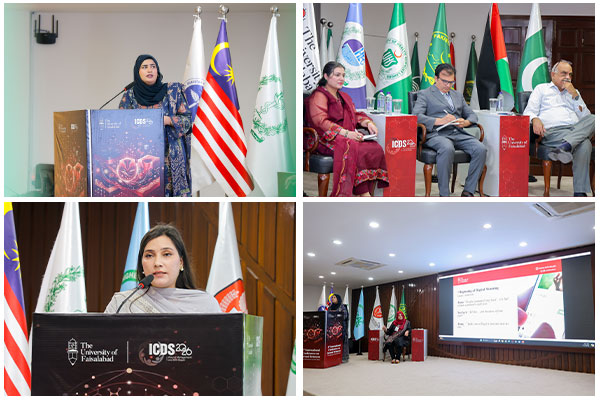
The formal inaugural session included a welcome address by Prof Dr Tanzeela Khalid, Dean, Clinical Research, TUF, and Chairperson ICDS 2026, followed by remarks from the Guest of Honour, Prof Dr Nabila Talat, Dean Faculty of Surgery at Children Hospital Lahore, who addressed the participants and contributed academically through her keynote lecture titled “Where the pathways turn different: Surgical management of wounds in children.” Her talk emphasized the complexity of pediatric wound care and the need for specialized surgical expertise and individualized treatment approaches.
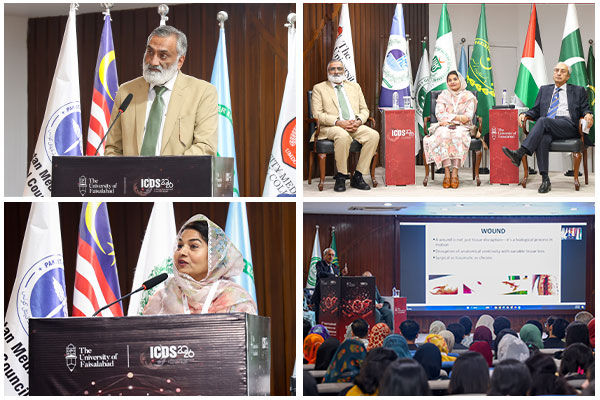
Guest of Honor Prof Dr Abdul Majeed Chaudhry, a distinguished expert in General and Laparoscopic Surgery and Dean of Lahore Medical & Dental College, and Chairman of the Department of Surgery at the Cancer Care Hospital & Research Center, delivered an insightful session on the transformative potential of Wound Healing and Regenerative Medicine.
He highlighted the complex, "battlefield" nature of wound healing, emphasizing that it is a highly regulated process involving inflammation, proliferation, and remodeling. He pointed out that disruptions in cellular signals—whether biological, mechanical, or systemic—can lead to chronic, non-healing wounds.
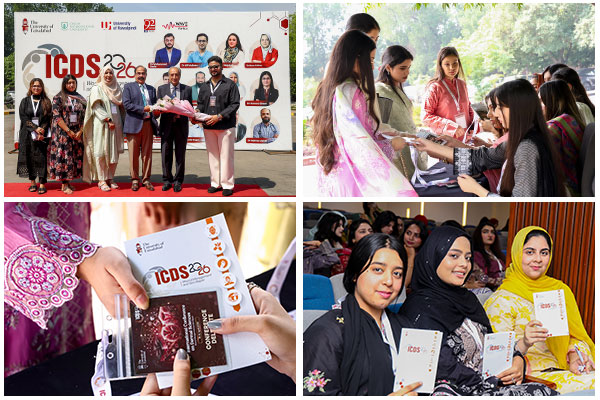
Senior leadership from TUF, including Prof Dr Aman Ullah Malik, Rector, Dr Zahida Maqbool, Registrar, Prof Dr Zahir Ahmad Zahir, Director ORIC, and Prof Dr Akram Malik, Principal, UMDC, along with other Heads of Departments from the Faculty of Medical and Allied Health Sciences, participated in large numbers, with an overwhelming presence of students.
Keynote Scientific Session: Advancing Clinical Frontiers
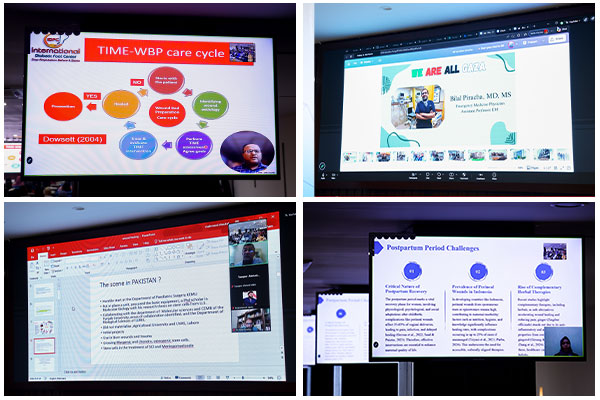
The first scientific session featured a series of keynote talks focusing on cutting-edge clinical practices in wound management and dermal care:
Scientific Session 2: Pharmacological Frontiers in Wound Healing and Tissue Regeneration
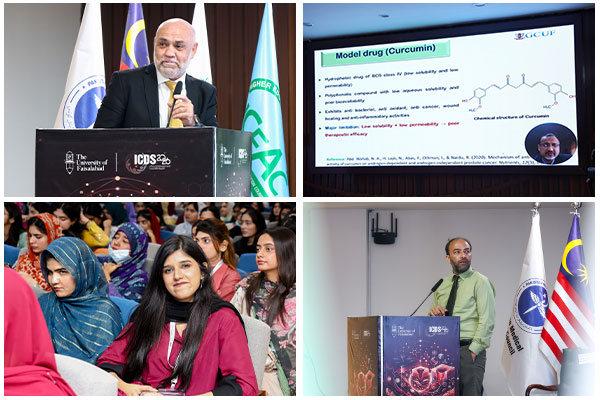
This session focused on emerging pharmacological and technological innovations in wound healing and tissue regeneration:
Day 2 Scientific Session: Advances in Regenerative Medicine
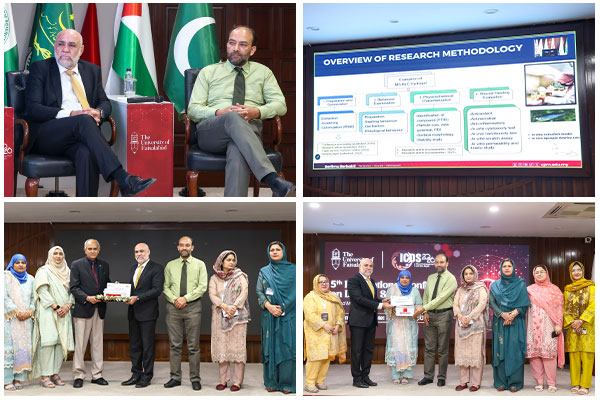
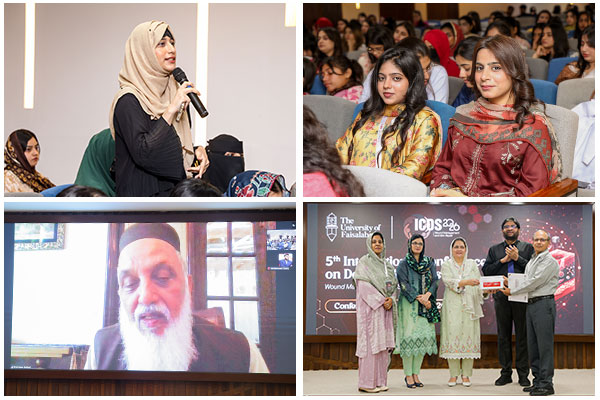
The 2nd Day of the conference commenced with Scientific Session on “Recent Advances in Regenerative Medicine”, chaired by Prof Dr Azam Bokhari, Professor & Head, Department of Dermatology, Shalimar Hospital, Lahore, who joined virtually, and co-chaired by Prof Dr Shirza Nadeem, Vice Principal, UMDC. The Guest of Honour, Prof Dr Shahid Sheikh, Head, Department of Dermatology, Faisalabad Medical University, delivered key insights on “Regenerative medicine and its role in wound healing outcomes,” setting the tone for the session.
Key Presentations:
Scientific Session: Multidisciplinary & Integrated Approaches to Wound Healing
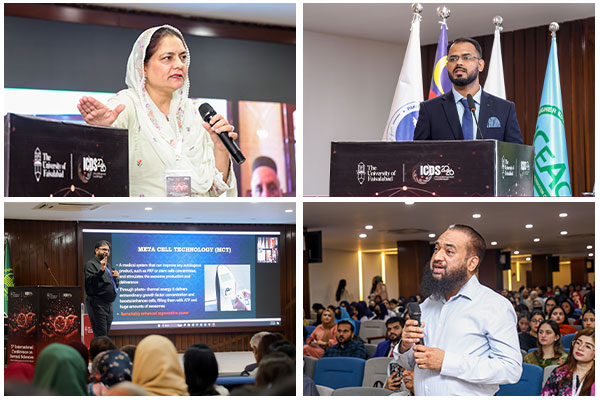
The Scientific Session on Multidisciplinary and Integrated Approaches to Wound Healing brought together experts from diverse medical and allied health disciplines to highlight the importance of coordinated, patient-centered care models in improving clinical outcomes. The session was chaired by Prof Dr Mussarat-ul-Hasnain (Professor of Medical Education, Rai Medical College, Sargodha) and co-chaired by Prof Dr Ahmed Hassan (Head of Surgery, Sargodha Medical University and Director of Medical Education). The discussion emphasized collaborative healthcare frameworks and the need for integrated treatment strategies in modern wound management.
Key Presentations:
Panel Discussion: Interprofessional Education in Wound Care
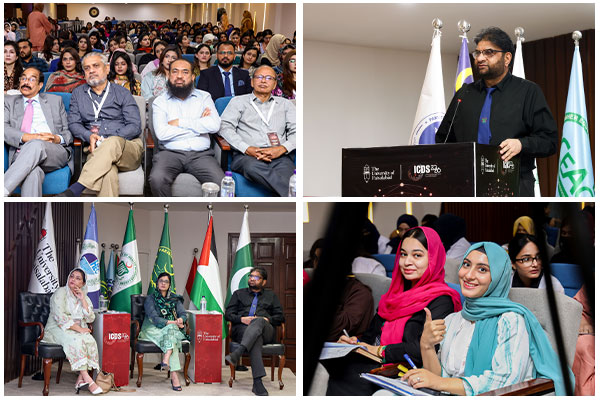
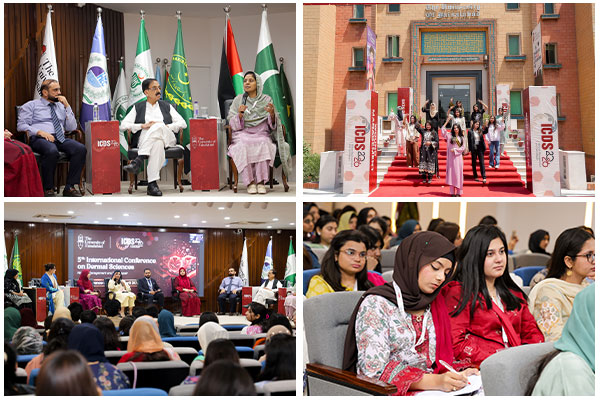
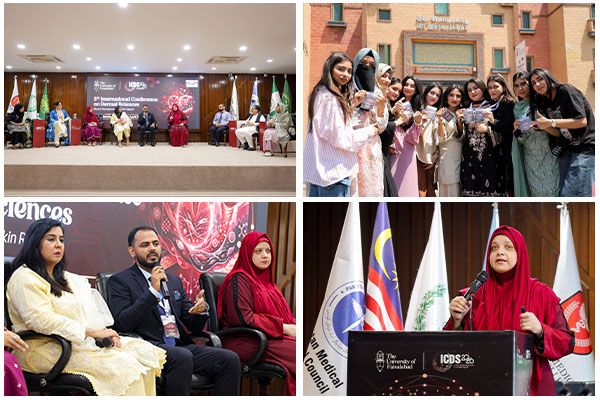
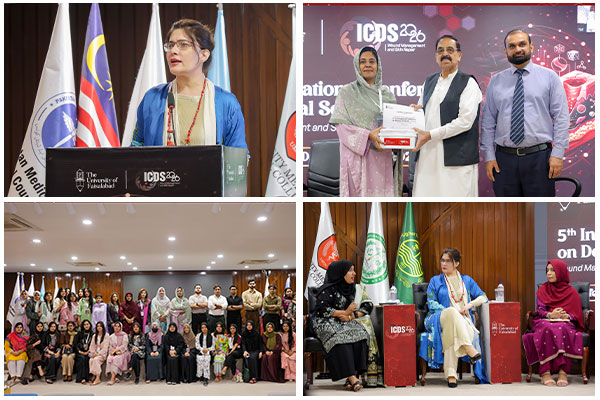
The 2nd day of ICDS-2026 further progressed with a highly engaging Panel Discussion on “Interprofessional Education in Wound Care: Gaps in Curriculum,” moderated by Dr Komal Atta, Director of Medical Education, UMDC Faisalabad. Building on the preceding Scientific Session on Multidisciplinary and Integrated Approaches to Wound Healing, the panel brought together distinguished experts including Prof Dr Mussarat-ul-Hasnain (Professor of Medical Education, Rai Medical College, Sargodha), Prof Dr Ahmed Hassan (Head of Surgery, Sargodha Medical University & Director of Medical Education), Ms Sana Liaqat (Principal of Nursing, Madina Teaching Hospital), Dr Sumera Badar (Assistant Professor, Department of Medical Education, Faisalabad Medical University), Dr Noor I. Kiran (Head of Department, ABWA Medical College, Faisalabad), Ms Kinza Arif (Demonstrator, Department of Dermal Sciences, TUF, and Dr Hamza Rana (Medical Officer, Shifa International Hospital).
Panelists emphasized the need for curriculum reform that integrates interdisciplinary training, ensuring that future healthcare professionals are equipped with collaborative competencies essential for effective wound care. The discussion highlighted the importance of bridging theory-practice gaps, incorporating simulation-based learning, and fostering interprofessional coordination to enhance patient outcomes and healthcare delivery systems.
Interdisciplinary Session: Psychological & Cultural Dimensions of Wound and Scars
The conference also featured a distinctive interdisciplinary session titled “Psychological, Cultural, and Narrative Dimensions of Wound and Scar,” bringing together scholars from English Language & Literature ,and humanities disciplines to explore the metaphorical, psychological, and socio-cultural interpretations of wounds and scars in literature and media. The session was chaired by Dr Muhammad Asif (Associate Professor, GC University Faisalabad) and co-chaired by Dr Asim Aqeel (Associate Professor, University of Agriculture Faisalabad). The presentations by students offered a rich, cross-disciplinary perspective on trauma, identity, and representation.
Young Researchers Session
Complementing this session, the Young Researchers Session showcased emerging talent in dermal sciences and clinical research, chaired by Dr Noor I. Kiran, Head of Department, ABWA Medical College Faisalabad, and co-chaired by Dr. Komal Atta. Young presenters contributed valuable clinical and research-based insights, including Ms Momina Saher’s case report on traumatic limb injury healing, Ms Ghazala Tariq’s comparative study on moisture-retentive wound care, and Ms Sahar Fatima’s exploration of public preferences in aesthetic procedures.
Innovative approaches were further highlighted by Ms Dua Asim, who presented on fish-derived collagen dressings, while Ms Ayesha Imran addressed challenges in managing Epidermolysis Bullosa in infants. Ms Hafsa Tariq concluded the session with an important perspective on wound assessment challenges in patients with darker skin tones, emphasizing inclusivity in clinical practice.
Poster Presentation Competition & Conclusion
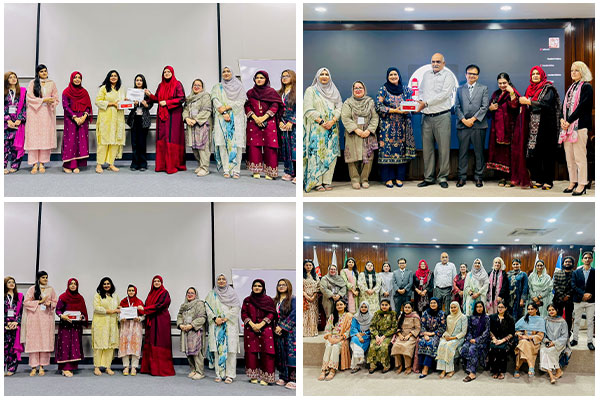
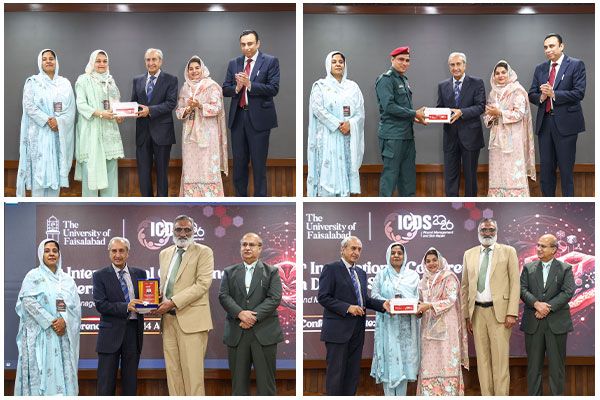
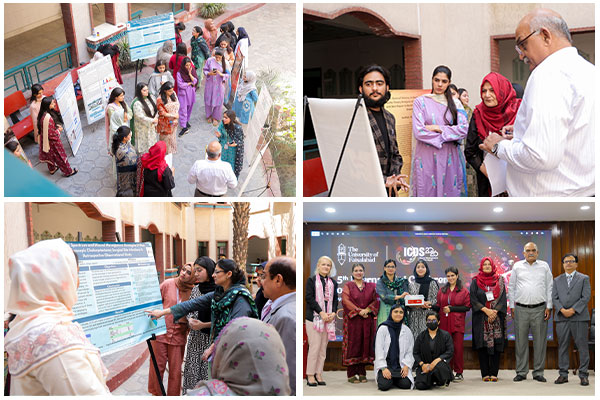
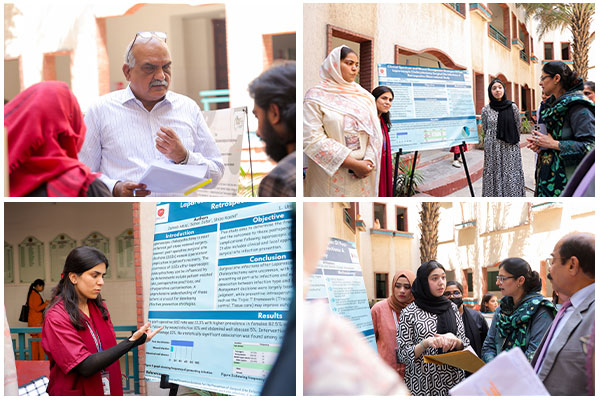
The conference concluded with an engaging Poster Presentation Competition, showcasing a diverse range of research contributions from both medical and humanities disciplines. Participants presented insightful studies on clinical practices, public health awareness, and the socio-cultural dimensions of wounds and scars, reflecting the interdisciplinary spirit of ICDS 2026. From the Department of English Language and Literature, Ms Aiza Ali secured the 1st position for her outstanding scholarly contribution, while the 2nd position was jointly awarded to Ms Areej Abid and Mr M. Aman (MPhil English Literature) for their compelling and critically enriched presentations. The 3rd position was shared by Ms Noor Fatima (Department of English Language and Literature) and an MBBS team presentation led by Ms Zainab Attiq (3rd Year MBBS), with Ms Sahar Zafar (1st Year MBBS) as co-presenter. Their work was particularly appreciated for its clinical relevance and research depth.
The poster session not only celebrated academic excellence but also highlighted the value of cross-disciplinary inquiry, reinforcing the conference’s commitment to integrating scientific innovation with humanistic perspectives in advancing wound management and skin repair.
The ICDS 2026 successfully reinforced a collaborative healthcare model, proving that the future of skin repair lies at the intersection of innovation, integration, and empathy.